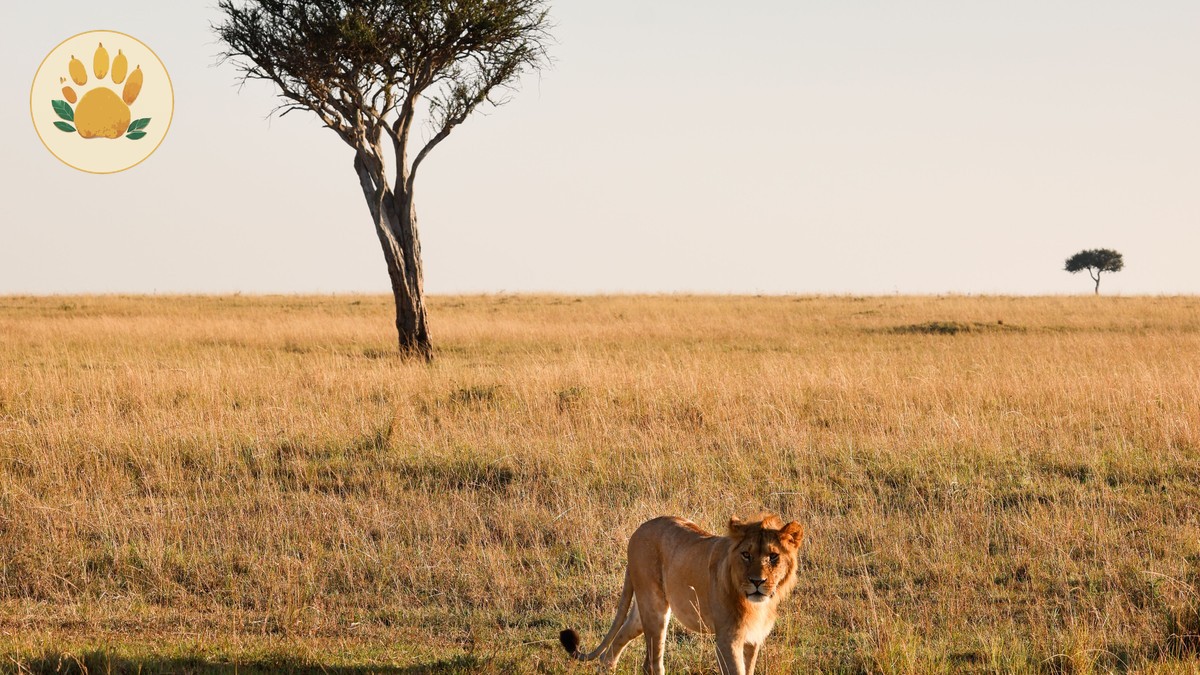
A 3 day Masai Mara itinerary is the shortest trip that still lets you see the reserve properly. Any less and you spend more time driving than watching wildlife. This itinerary covers the standard structure most trips follow, what it actually costs in 2026, and where three days falls short.
Day 1: Nairobi to Masai Mara
Most trips leave Nairobi by 7am or 8am. The drive to the Masai Mara National Reserve covers about 270 km through Narok town, and takes 5 to 6 hours by road. It can take longer if you stop for lunch or the Great Rift Valley viewpoint near Mai Mahiu.
Budget travelers often join a shared shuttle or matatu to Narok for roughly 500 to 800 KES, then transfer to a safari vehicle, rather than booking a private transfer. Group-joining safari operators run scheduled departures a few times a week, which cuts per-person cost significantly compared to a private vehicle.
Flying is faster. Scheduled flights from Wilson Airport to Mara airstrips like Keekorok, Ol Kiombo, or Musiara take about 45 minutes and cost from $150 to $250 one way. For a 3 day trip, that extra travel time saved matters more than it would on a longer safari.
You’ll reach camp by early afternoon, check in, and head out for a first game drive before sunset. This is often the best light of the whole trip, and cats tend to be active as the heat drops.
Day 2: Full-Day Game Drive
This is the day that makes or breaks a 3 day itinerary. Most camps offer an early drive from 6:30am, a break at midday, then a second drive from 4pm to 6:30pm.
Some operators run a full-day drive with a packed lunch inside the reserve instead, which gives you more time near the Mara River if wildebeest crossings are active. Ask your operator directly which format they use, since it changes what you’ll see.
This is also the day to add a hot air balloon flight if you want one. Balloons launch before dawn and cost around $450 to $500 per person, landing with a champagne breakfast in the bush. It’s a real expense on a tight budget, but it’s the one add-on repeat visitors say is worth it.
A Maasai village visit, usually $20 to $30 per person, fits into a midday break. It’s a genuine cultural stop if you go in with realistic expectations. Some feel staged. Ask your guide which villages have a reputation for a more honest visit rather than a performance built purely for tour buses.
Day 3: Final Morning Game Drive and Return
Day 3 usually means one last early game drive, breakfast, checkout by 10am or 11am, and the drive or flight back to Nairobi. If you’re flying out of Jomo Kenyatta International Airport the same evening, allow the full afternoon as a buffer. Mara road transfers can run late if it has rained.
By road, you’ll arrive back in Nairobi by mid-afternoon at the earliest. That gives you two full days of game viewing and two half days of travel, which is the honest math behind any 3 day Masai Mara itinerary.
Is a 3 Day Masai Mara Itinerary Enough?
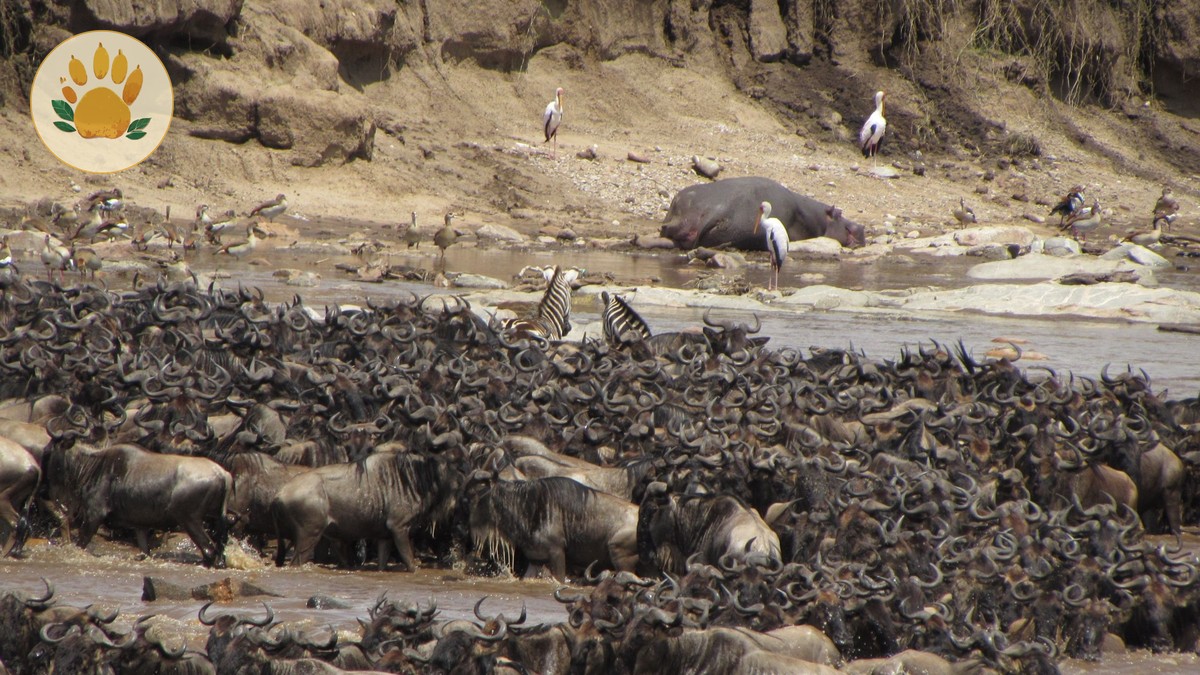
For most first-time visitors, yes, with a caveat. Three days gives you roughly two full days and two partial days in the reserve, enough to see lion, elephant, buffalo, and usually leopard or cheetah with a good guide. It’s not enough to guarantee a Mara River crossing if you’re chasing the Great Migration specifically, since crossings depend on herd movement that can shift by days.
If your main goal is the migration between July and October, consider adding a day. A 4-day trip gives you a spare game drive to reposition near the river without losing your only full day to a no-show crossing. Outside migration season, from December through March particularly, three days is genuinely enough.
If you’re weighing a day trip against staying multiple nights, a single day from Nairobi means over 10 hours of driving for roughly 3 hours of game viewing. Three days multiplies your wildlife time by six or seven times over, for a manageable jump in cost.
For travelers with more time, extending this into a 5 day Kenya safari itinerary is a good option. It lets you pair the Mara with Lake Nakuru or Amboseli, without the rushed feel of a 3 day trip.
Cost Breakdown: Budget, Mid-Range, and Luxury
Prices below are per person, based on double occupancy, for a 3 day, 2 night trip including road transport, park fees, meals, and game drives. Flights and add-ons are extra.
| Tier | Camp examples | Per night (accommodation only) | Approx. 3 day, 2 night total |
|---|---|---|---|
| Budget / camping | Miti Mingi Eco Camp, public campsites near Sekenani Gate | $25 to $50 | $180 to $320 |
| Mid-range | Mara Explorer Tented Camp, Sentrim Mara | $120 to $220 | $450 to $700 |
| Luxury | Governors’ Camp, Angama Mara | $400 to $900+ | $1,100 to $2,500+ |
Park fees add up separately. The Masai Mara National Reserve conservation fee, on the Narok County side, runs around $80 per adult per day (indicative, confirm current rate before booking). The Mara Triangle, managed by the Mara Conservancy, charges closer to $100 per day. Both are non-resident rates and typically apply for each day you’re inside the reserve.
Accommodation and Camp Options
Budget travelers have real options here beyond a basic hostel-style stay. Public campsites near Sekenani Gate and Talek Gate let you pitch a tent for $20 to $30 per person per night. Facilities are shared and there’s no fence, so camp staff or an armed ranger will usually walk you between tent and bathroom after dark.
Mid-range tented camps like Mara Explorer or Sentrim Mara sit inside or just outside the reserve, with en-suite tents and full board included. Luxury camps such as Angama Mara, perched on the Oloololo Escarpment, or Governors’ Camp on the Mara River, add private verandas and higher staff ratios, at several times the cost.
What’s Included and Excluded
Most 3 day packages include road transport from Nairobi, a safari vehicle with a driver-guide, accommodation, full board meals, and game drives as scheduled. Park fees are sometimes included and sometimes billed separately, so confirm this before you pay a deposit.
Excluded items typically cover flights, balloon safaris, alcoholic drinks, tips for guides and camp staff, and travel insurance. Tipping guidelines in Kenya usually run $10 to $15 per guest per day for the driver-guide, and a smaller shared pool for camp staff.
Best Time to Visit and Migration Timing
The dry months from late June through October bring the Great Migration into the Mara, with river crossings possible from around July to September in a typical year. This is also the busiest and priciest season, with camp rates 20 to 40% higher than low season.
December through March is warm, drier, and quieter, with resident wildlife easy to find even without migration herds. April and May bring long rains, and some camps close or drop rates by 30% or more.
Private vs Group or Shared Safari
A private vehicle costs more but gives you flexibility on timing and route. A shared or group-joining safari splits the vehicle and driver cost across four to six travelers, often cutting the per-person price by a third or more.
For a 3 day trip, group safaris make sense if you’re comfortable with a fixed schedule and don’t mind stopping when other passengers want photos. Solo backpackers and couples on a tighter budget tend to prefer this option specifically because it opens up mid-range camps that would otherwise be out of reach.
Before you go, check our Kenya safari packing list so you’re not caught out by cold early mornings or unexpected rain, even in the dry season.
The SafariPure Difference
Most 3 day itineraries online are copy-pasted templates from tour operators with vague pricing and no real answer to whether three days is enough. SafariPure names actual camps, actual park fees, and tells you plainly when a 3 day trip works and when it doesn’t, particularly during migration season.
We build itineraries around the trade-offs that matter on a short trip, road versus flight, one full game-drive day versus two, and group versus private. That means fewer surprises once you’re standing at Sekenani Gate with a guide who wasn’t expecting you.
Plan Your Trip
If a 3 day Masai Mara safari fits your time and budget, we can help you build one around the right camp, route, and season. Visit our Masai Mara safari tours page or get in touch through our contact page to start planning.